Moving isn’t just about hauling boxes. It’s about coordinating dates, saying goodbye to a space, starting a new chapter, and making countless decisions all at once.
To organize a stress-free move in Panama, the key is to start 4 to 6 weeks in advance, take inventory before packing, get rid of what you won’t use, label boxes by room and contents, and have a Plan B if your move-out and move-in dates don’t align. That Plan B is almost always a self-storage unit where your belongings stay safe while dates get sorted out.
Why a move feels so overwhelming (and it’s not just the boxes)
An average move produces between 60 and 100 boxes for a medium-sized household. It’s no exaggeration to feel like it “never ends” — you literally have to make decisions about dozens of items, coordinate schedules, and in the worst case, do it under the pressure of an unyielding move-out deadline.
The good news is that most moving stress comes from the lack of a structured plan, not the sheer volume of items. With these 10 tips, you can streamline the entire process from start to finish.
1. Start 4 to 6 weeks in advance
The later you start, the more decisions you’ll have to make all at once during the final days — and that’s when mistakes happen (lost items, poorly assembled boxes, fragile belongings left unprotected). If you already know your moving date, block out one weekend day per week starting a month and a half ahead just to make steady progress.
2. Take inventory before packing your first box
Walk through your home room by room and jot down, even broadly, what’s in each space. It doesn’t have to be perfect — it serves two main purposes: knowing if anything goes missing along the way, and calculating how much space you’ll need (in your new home, the moving truck, or in a storage unit if needed).
3. Get rid of what you no longer need
Before packing, separate items into three piles: keep, donate/sell, and discard. Every item you don’t pack is one less box to carry, less assembly time, and less storage space to pay for later. It’s the step most people skip and the one that saves the most time.
4. Get the right packing supplies from day one
High-quality packing tape, a thick permanent marker, and heavy-duty boxes (not flimsy leftover boxes from previous moves) make a world of difference. Nothing halts a moving day faster than a box tearing open halfway down the stairs.
5. Pack room by room and label by contents and destination
Labeling boxes by destination room (not just contents) speeds up unpacking by up to 30%. Instead of simply writing “Kitchen”, write “Kitchen — Dishes” or “Master Bedroom — Bed Linens”. That way, whoever helps you unpack knows exactly where each box belongs without asking every five minutes.

6. Pack a “first-night essentials box”
Set aside a box or suitcase with everything you’ll need for day one and your first night: a change of clothes, toiletries, chargers, snacks, toilet paper, and bed sheets. This prevents you from having to tear open ten boxes at 10 PM searching for a single towel.
7. Protect fragile and heavy items with the right materials
Wrap fragile items in packing paper or bubble wrap and clearly mark “Fragile” on multiple sides of the box. For heavy items (appliances, bulky furniture), use moving blankets and, if possible, a hand truck or dolly — carrying everything by hand is the easiest way to strain your back or damage furniture.
8. Hire a moving company early and compare quotes
If you plan to use a moving service, don’t wait until the last week. Request quotes from multiple options, ask what’s included (do they disassemble furniture? Are stairs included without extra fees?), and confirm the date in writing. The closer to the end of the month you book, the less availability you’ll find — it’s the most requested timeframe.
9. If dates don’t align, use a storage unit as a bridge
This is the tip almost no one considers until they are already in trouble: the date you hand over your current home rarely aligns perfectly with the date you get keys to the new one. You might have to vacate a week early, or your new place may face delivery delays.
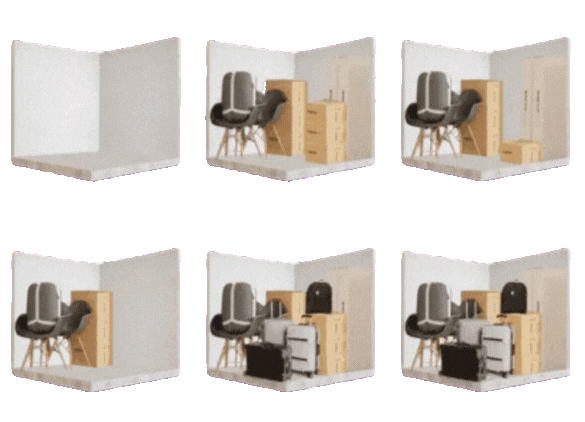
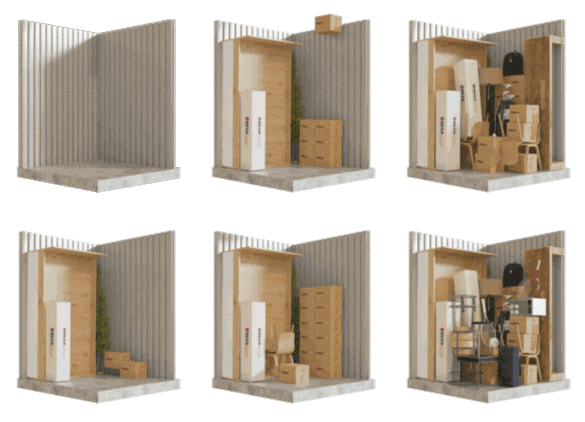
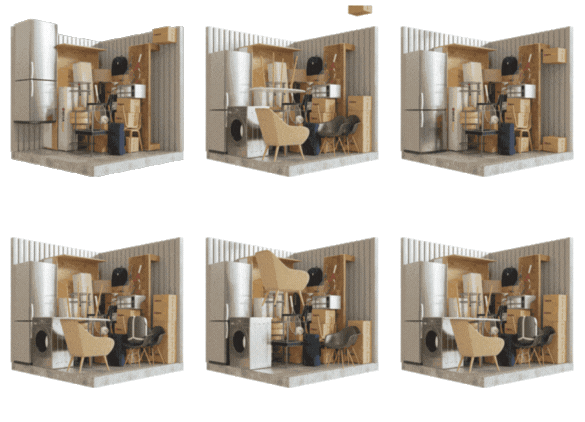
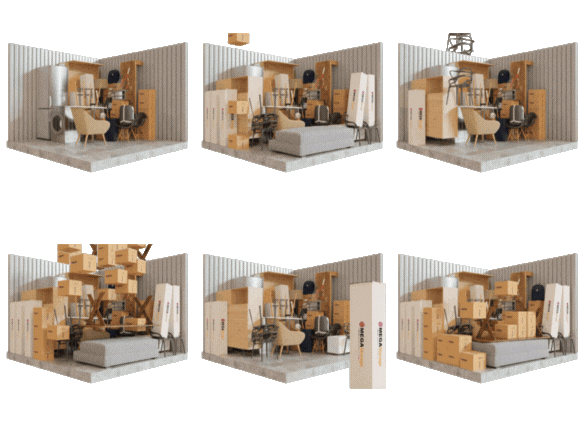
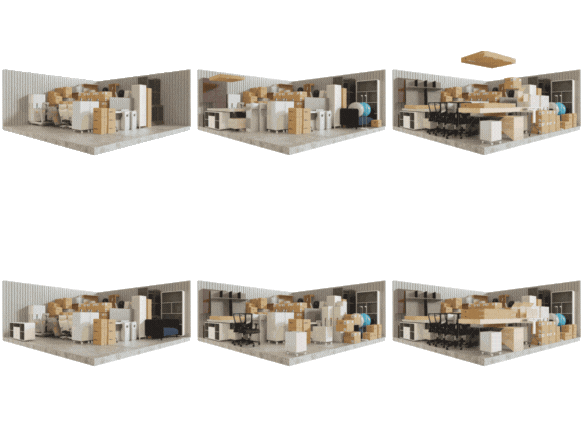
Instead of cramming boxes into a relative’s living room or leaving valuables in an unattended garage, a self-storage unit provides a secure, climate-controlled space to keep your belongings for the exact time you need — a week, a month, or whatever it takes. You only pay for the time you use with month-to-month contracts, and your items stay secured with personal locks, cameras, and alarms while you finalize moving logistics.

10. Do a final walkthrough and update your address everywhere
Before handing over the keys, check every room, closet, kitchen cabinet, and laundry space — it’s incredible what gets left behind in that very last drawer. Also, remember to update your billing address with banks, subscriptions, work, and regular deliveries to avoid surprises during your first weeks in your new home.

Common mistakes that prolong a move
Frequently Asked Questions
How far in advance should I start organizing my move?
Ideally 4 to 6 weeks ahead, especially if you plan to hire movers or need temporary storage for your belongings.
What should I do if I have to move out before my new place is ready?
A self-storage unit is the most practical solution: store your belongings for the exact duration you need, safely and without long-term commitments.
How many boxes do I need for an average move?
On average, a medium-sized household generates between 60 and 100 boxes, depending on how much you decluttered before packing.
Did your moving dates clash?
If your new home isn’t ready yet but you have to move out of your current one, you don’t need to burden friends and family. Get a quote for a self-storage unit with Mega Storage and keep your items safe while dates align — with 50% off your first month.